Prostate Embolization (Prostatic Artery Embolization)
Many men over the age of 50 have to deal with a common issue: an enlarged prostate known as benign prostatic hyperplasia (BPH). Approximately half of males between the ages of 50 and 60 develop this condition, increasing as men get older. An enlarged prostate is not only uncomfortable, but it also can affect ejaculation and slow the flow of urine. Men with enlarged prostates may eventually require treatment, but an enlarged prostate is not in and of itself life-threatening. If you are experiencing symptoms of an enlarged prostate, prostate artery embolization (PAE) may be right for you.
Make An AppointmentYosef Golowa, MD FSIR

What is Prostate Artery Embolization?
Prostate artery embolization is an FDA-approved, minimally invasive procedure which can be an alternative to surgery. This procedure is performed by an interventional radiologist that can improve lower urinary tract symptoms caused by an enlarged prostate. The procedure involves releasing tiny particles into the arteries that supply the prostate, which reduces the blood allowing the prostate shrink. Patients who opt for PAE have quick recovery and high rate of satisfaction, without sexual side effects or urinary incontinence. Another advantage of PAE, as opposed to surgical alternatives, it does not require an indwelling foley catheter after the intervention which many men find uncomfortable.
More Information About PAEWhat is PAE Used For?
Prostate artery embolization is used to treat men with enlarged prostates. Though enlarged prostates are not life-threatening, they can hinder a man’s daily life. Men with this condition often encounter urinary and sexual issues. They can also experience slow and frequent urination. Typical treatments for enlarged prostates can potentially result in severe sexual dysfunction including retrograde ejaculation. PAE is shown to have a good side effect profile and is safe and effective.

PAE Procedure
The procedure is performed under X-Ray guidance by making a pinhole puncture into a vessel at the top of the leg or wrist. During the procedure, microscopic particles are released into the arteries that feed the prostate gland through a tiny catheter which is the size of a spaghetti. The particles occlude the prostatic arteries and block off the excess blood flow to the prostate. After the procedure the enlarged prostate will shink over weeks to months. This procedure does not require general anesthesia because patients experience minimal pain. This is an outpatient procedure with no hospital stay. Most patients have minor post procedure discomfort with quick recovery recovery time before returning to their usual activity.
Fibroid Embolization
Many women are symptomatic from uterine fibroids or myomas at some pointtime during their lives. Uterine fibroids are a commonly seen benign tumor of the uterus. These fibroids often appear during childbearing years. Size of these fibroids may vary and can cause heavy periods, pelvic discomfort, urinary frequency, and bloating. If you have been diagnosed with uterine fibroids ,a safe and effective non-surgical uterine sparing treatment we is uterine fibroid embolization (UFE).
What is Uterine Fibroid Embolization?
Uterine fibroid embolization (UFE), also known as uterine artery embolization (UAE), is a minimally invasive procedure that eases symptoms associated with this condition. Fibroids can cause severe symptoms in women, including pelvic pain, heavy menstrual bleeding, and swelling in the abdomen. This procedure decreases the blood flow to fibroids, stops excessive bleeding, and shrinks fibroids providing an alternative to hysterectomy or surgical removal of fibroids.
Who Is A Candidate for Uterine Fibroid Embolization?
You may be a good candidate for uterine fibroid embolization if you:
- Have been experiencing symptoms like excessive menstrual bleeding, pelvic pain, bloating, frequent urination, or cramping.
- Are not currently pregnant.
- Have been diagnosed with fibroids.
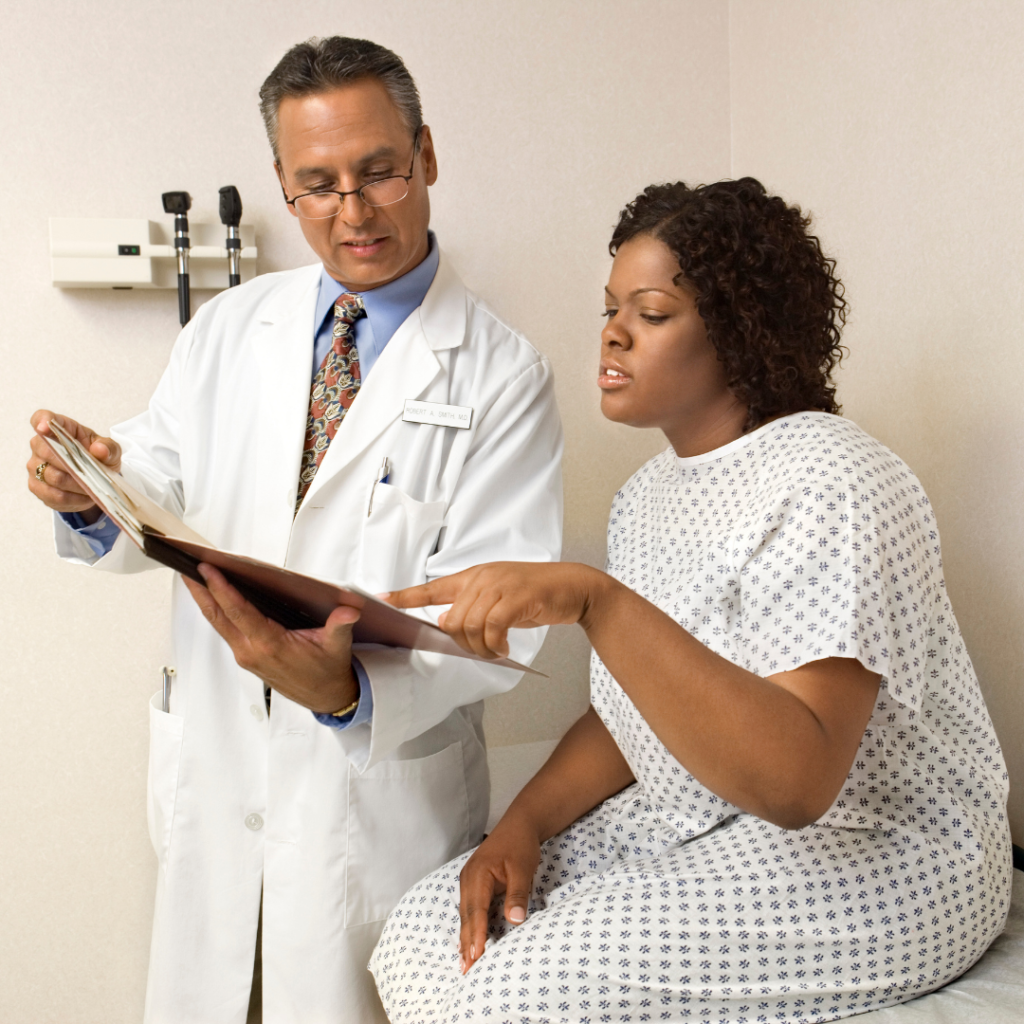
Uterine fibroid embolization can be an ideal treatment option for patients with symptomatic fibroids. UFE is a minimally invasive procedure performed on an outpatient basis without abdominal scarring. incision or scarring with quicker recovery compared with many surgical options.
Procedure
Uterine fibroid embolization is an effective, safe, outpatient procedure which does not require hospitalization. It is a short procedure usually completed within an hour. An interventional radiologist will insert a catheter into an artery in the groin area. The catheter is then threaded into the uterine arteries. The embolic agent is then injected into the arteries that supply blood to the fibroids and uterus. As the fibroids begin to shrink and die, the uterus can fully recover.
NYMD
If you’ve been diagnosed with uterine fibroids, you have alternative treatment options available aside from a hysterectomy or surgeries. Our interventional radiologist combines medical expertise and compassion to guide you through your treatment journey every step of the way to help you get back to your routine quickly.
Varicocele Embolization
What is Varicocele Embolization?
A varicocele are an abnormal enlarged veins in the male scrotum with stagnant or reversed blood flow. When these valves in the vein draining the testicle are not present or fail, blood can begin to pool in the veins around the testicle, forming a varicocele. Varicoceles can cause pain, infertility, swelling, or testicular atrophy. In many instances, a varicocele does not cause any symptoms. However, some varicoceles cause aching pain, especially if the person has been in an upright position for an extended period of time. Heavy lifting can also cause pressure in the varicocele.
Varicocele embolization is a procedure which used real time x-ray guidance performed on an outpatient basis that diverts blood away from the varicocele. An interventional radiologist will insert a small tube the size of a spaghetti into a leg vein in either the leg or in the arm. The catheter is then placed into the varicocele, and tiny coils are inserted into the vein to block it and stop the reversed blood flow in the varicocele. Embolization is a highly effective alternative to surgery and only requires a small nick in the skin with minimal or no down time as opposed to a surgical incision into the scrotum. .
Who Is A Candidate For Varicocele Embolization?
If you are searching for an effective, minimally invasive treatment option for your varicocele, it’s best to speak with an interventional radiologist. You may be an ideal candidate for varicocele embolization if you are an adult male that has been appropriately diagnosed with an enlarged vein that’s causing your testicular pain or infertility. Your doctor will discuss the best course of treatment for your unique needs.
Choose NYMD
If you’ve been diagnosed with a varicocele, surgery does not have to be your only option. Our interventional radiologist treats men with varicoceles using embolization. Our experts combine compassion and medical expertise to help you through your treatment and provide relief so you can safely return to your daily routine.
Genicular Artery Embolization
Osteoarthritis causes pain that lasts for years, often worsening to an unbearable level. If you’ve got osteoarthritis in your knees but are not ready or a candidate for surgery and other treatments aren’t working, visit double board-certified radiologist Yosef Golowa, MD, FSIR. At his practice in Midtown Manhattan, New York City, New York, Dr. Golowa specializes in minimally invasive genicular artery embolization (GAE) to reduce pain and improve function in patients with knee osteoarthritis. Call Dr. Golowa’s office today or book an appointment online to find out how GAE can relieve your knee pain.
Knee Osteoarthritis Treatment- Genicular Artery Embolization
What is GAE?
GAE (genicular artery embolization) is a minimally invasive treatment for knee pain caused by osteoarthritis. Osteoarthritis is a common disease among people in middle and later life. It’s caused by joint use over many years that wears away the protective cartilage at the ends of your bones. The unprotected bones rub against one another, causing joint pain, stiffness, and weakness. Osteoarthritis is a progressive condition resulting in severe, ongoing pain and disability. It can affect any joint but is often particularly bad in the knees. The inflamed lining if the joint or synovium can release inflammatory factors, further damaging the cartilage and causing a vicious cycle. GAE blocks the blood flow to your knee’s lining (synovium), and less blood flow reduces inflammation and pain. GAE doesn’t treat the cartilage damage causing your osteoarthritis, but it can significantly reduce the pain and slow down some of the degenerative processes. Studies show that patients who’ve had GAE treatment report an average reduction in pain from eight (out of 10) to just three, a significant improvement.
What does GAE involve?
Dr. Golowa performs GAE as an outpatient procedure that usually takes approximately 1 hour. He uses twilight sedation that makes you sleepy and calm. Dr. Golowa inserts a catheter (a thin, hollow tube) into an artery in your upper thigh. Using X-ray images, he guides the catheter along the artery that supplies blood to the knee lining. When the catheter in position, Dr. Golowa injects tiny gel particles into your arteries to restrict the quantity of blood flowing into the tissues. Patients go home the same day after GAE. You should notice reduced pain after about two weeks as the inflammation in your knee lessens.
Is GAE the right treatment for me?
GAE is an excellent nonsurgical treatment for people with advanced knee osteoarthritis. When you first develop osteoarthritis, pain medication and physical therapy help ease your symptoms. But after a while, they become less effective. Steroid or hyaluronic acid injections into the knee can help when conservative treatments lose effectiveness. If these treatments stop working as arthritis worsens, and you are not ready or not a good candidate for surgery, GAE could be the answer. The best candidates for GAE are 40-80 years old with moderate to severe knee pain and no bony deformities in their joints.Call our office today or book an appointment online to find out if GAE can reduce your osteoarthritis pain.
Make An AppointmentWhere To Find Us
Manhattan
800 2nd Ave 9th FloorSuite C
New York, NY 10017
Forest Hills
69-15 Yellowstone BlvdSuite 1 & 4
Forest Hills, NY 11375
Rego Park
95-30 Queens BlvdRego Park, NY 11374
© Copyright New York Medicine Doctors. All Rights Reserved.
Conditions & services
Aortic Aneurysm
An aortic aneurysm is an abnormal bulge that occurs in the wall of the major blood vessel (aorta) that carries blood…
Carotid Artery Disease (CAD)
Your carotid arteries are two large blood vessels in your neck. They supply your brain and head with blood. If you have…
Deep Vein Thrombosis (DVT)
Whenever an issue that involves blood circulation becomes present, you must seek out treatment right away. When the…
Leg Ulcers
Patients who find themselves faced with unhealed sores and open wounds on their legs are likely dealing with what are…
Peripheral Artery Disease (PAD)
Peripheral Artery Disease is a narrowing of the peripheral arteries serving the legs, stomach, arms, and head. When PAD…
Radiofrequency Ablation
More than 3 million people across the U.S. suffer from cardiac arrhythmias each year. This problem occurs when the rate…
Varicose and Spider Veins
Varicose veins are visible under the skin and appear as swollen and twisted veins. For some people, varicose veins…
Varithena®
Your doctor administers Varithena® through a catheter or by direct injection into your malfunctioning vein. The foam…
Venous Ulcers
When you begin to face blood flow issues, your body becomes opened up to many problems. One such point is the…